
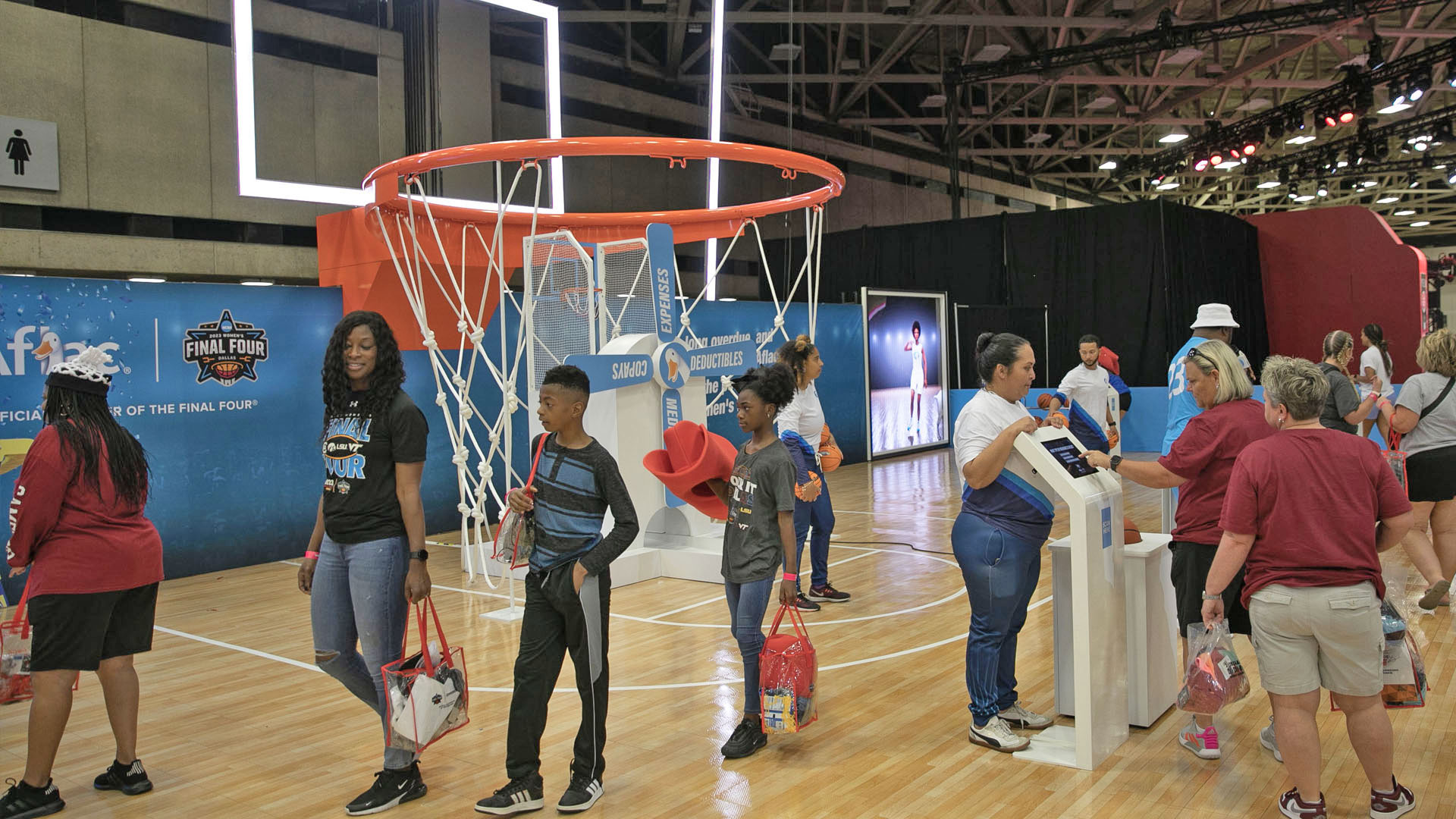
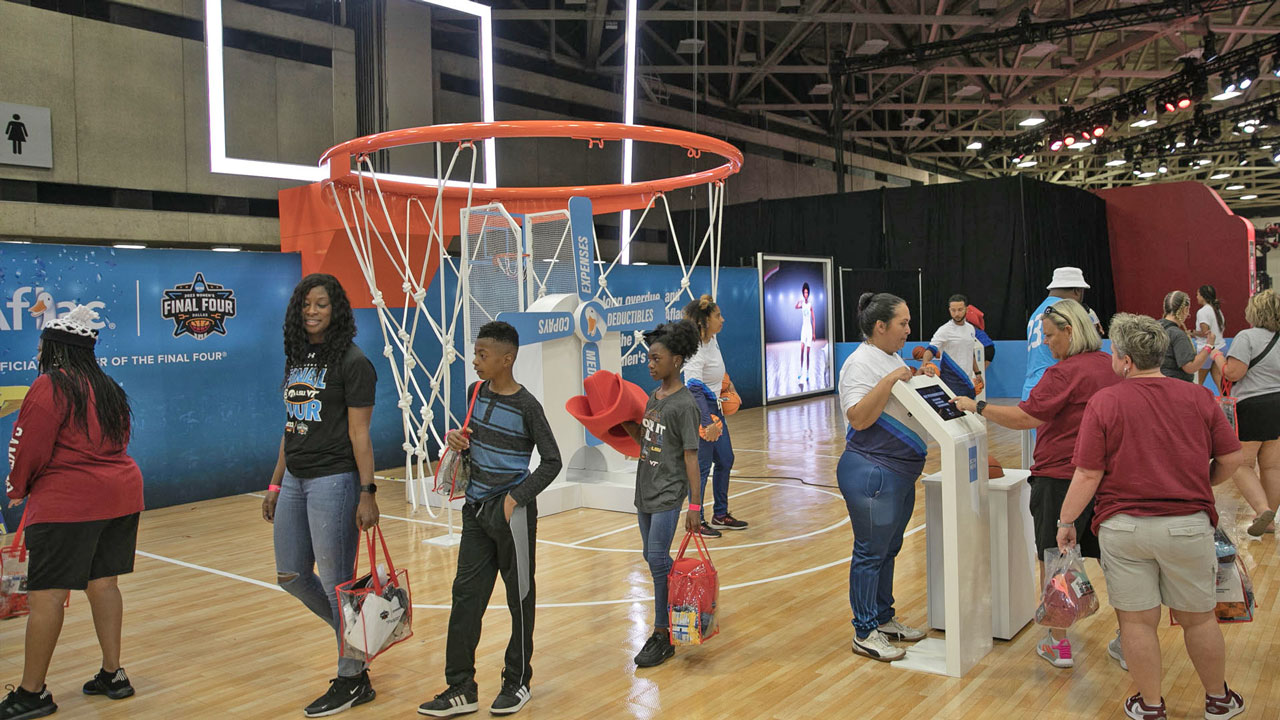
In 2008, we executed our first Final Four activation for a major sponsor. In 2025, we executed our eighteenth. Same event. Same client relationship. Eighteen consecutive years of showing up when it matters most.
That's not luck. That's not inertia. That's what happens when you treat every event like your reputation depends on it—because it does.
Why Long-Term Partnerships Are Rare in This Industry
Let's be honest: most agency-client relationships in experiential marketing don't last. The average tenure is somewhere between 2-3 years before brands either bring work in-house, go through an RFP process, or simply move on to the next shiny option.
The reasons are predictable:
- Account teams turn over. The people who won the business aren't the people who service the business.
- Quality slides. Year one gets the A-team. Year three gets whoever's available.
- Complacency sets in. "We've always done it this way" becomes the default response.
- Innovation stops. The agency stops bringing new ideas because they assume the work is locked in.
We've watched competitors fall into every one of these traps. The result? Brands that cycle through agencies, never building the institutional knowledge that makes activations truly great.
What We Do Differently
There's no secret formula. It's just discipline applied consistently over time. Here's what that looks like in practice:
1. Senior Leadership Stays Involved
Every Final Four activation still gets direct oversight from MELT leadership. Not a check-in call. Not a status update. Hands-on involvement in strategy, execution, and on-site management.
Why? Because major events don't allow for mistakes. When you're activating at the biggest stage in college basketball, the margin for error is zero. That requires experienced judgment, not just capable execution.
2. We Treat Every Year Like Year One
The brief changes every year. The competitive landscape changes. The audience expectations change. We approach each Final Four with the same rigor we brought to the first one—full situational analysis, fresh creative concepts, and zero assumptions that what worked last year will work this year.
This sounds obvious, but it's surprisingly rare. Most agencies eventually start copying and pasting from previous years. We actively resist that temptation.
3. We Build Institutional Knowledge
Eighteen years of Final Four activations means eighteen years of learning what works, what doesn't, and why. We've documented everything: vendor relationships, venue quirks, timing considerations, weather contingencies, crowd flow patterns.
This knowledge compounds. A team executing their first Final Four can't compete with a team that's done eighteen. Not because they're less talented—but because experience matters in high-stakes environments.
The Compounding Value of Continuity
Here's what brands often miss: the value of a long-term partnership compounds over time. Each year builds on the previous years. The learning curve flattens. The execution gets tighter. The results improve.
Consider what we can do in year eighteen that we couldn't do in year one:
- Faster pivots. When something needs to change last-minute, we know exactly who to call and how to make it happen.
- Better vendor rates. Eighteen years of consistent work means relationships that translate to better pricing and priority service.
- Predictive problem-solving. We know what's going to go wrong before it goes wrong, because we've seen it all before.
- Deeper integration. We understand the brand deeply enough to make real-time decisions that align with their objectives.
None of this happens if you're constantly switching agencies. Every transition resets the clock. Every new relationship starts from zero.
What It Takes From the Brand Side
Long-term partnerships aren't one-sided. The brands we've worked with for a decade or more share certain characteristics:
They value consistency over novelty. They're not chasing the hot new agency every year. They understand that deep relationships produce better results than fresh perspectives.
They communicate directly. When something isn't working, they tell us. When they want something different, they say so. No passive-aggressive RFPs to "keep us sharp."
They trust our judgment. They brought us in as experts. They let us be experts. That doesn't mean we always agree—but it means they don't second-guess every recommendation.
They invest in the relationship. They make time for planning conversations. They include us in strategic discussions. They treat us like partners, not vendors.
The Real Metric: Would They Hire Us Again?
Forget impressions. Forget engagement rates. The metric that matters most in experiential marketing is simple: would the client hire you again?
After every Final Four, after every major activation, after every campaign—the only question that matters is whether we've earned the right to do it again.
Eighteen consecutive years suggests we keep earning that right. Not because we're perfect—we're not. But because we show up, we deliver, and we never take the relationship for granted.
What This Means for Brands Evaluating Agencies
If you're in the process of selecting an experiential agency, here's my advice: look at their longest client relationships. Not their most impressive case studies. Not their biggest logos. Their longest relationships.
Ask them:
- What's your longest-running client relationship?
- Why has that relationship lasted?
- What have you learned from working with the same brand over time?
- How do you prevent complacency in long-term partnerships?
The answers will tell you everything you need to know about how they'll treat your business—not just in year one, but in year five and beyond.
Looking for a Long-Term Partner?
We don't do one-off projects. We build relationships. If you want an agency that's going to be there for year eighteen, let's talk.
Start the Conversation