
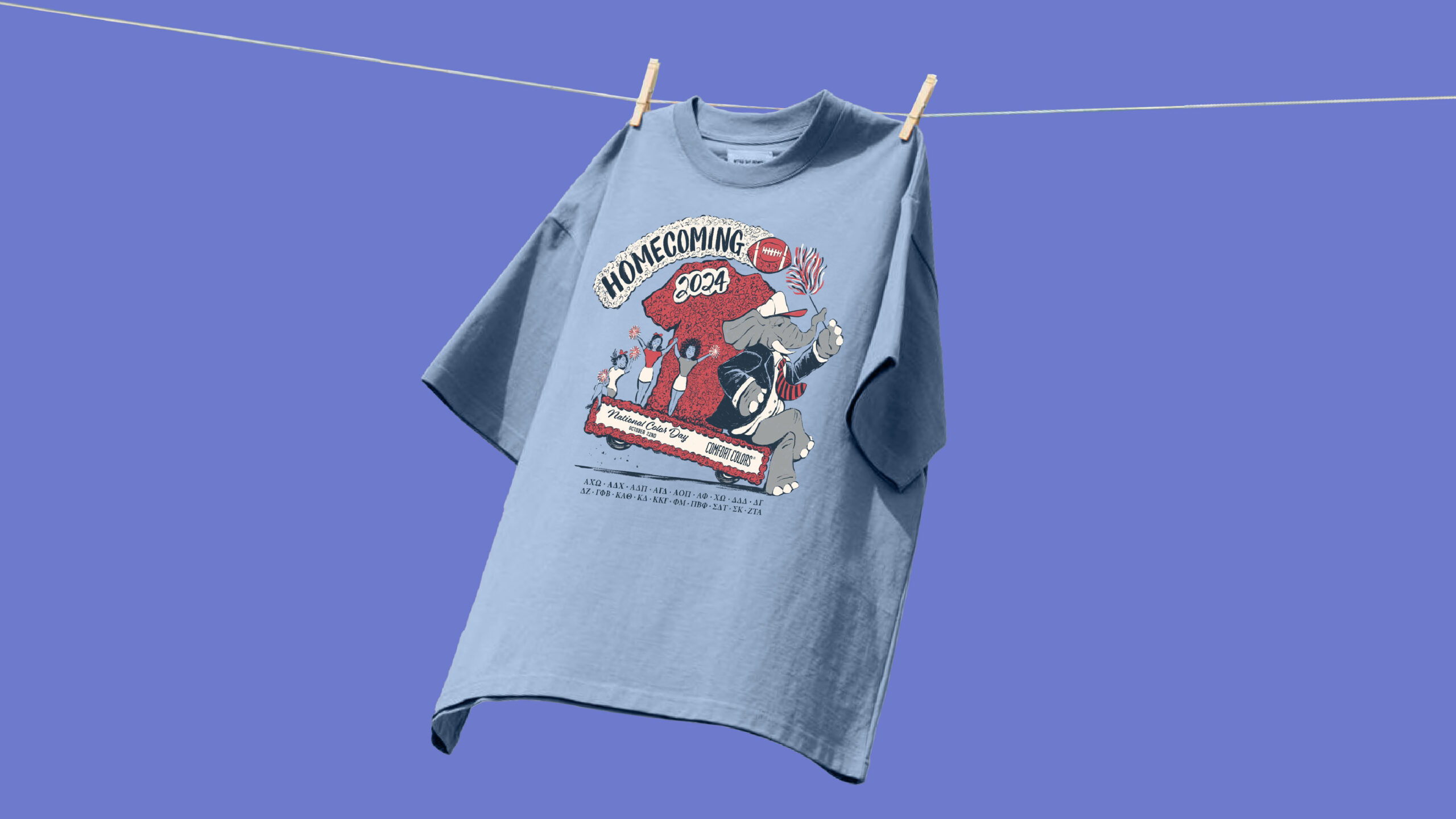
When Comfort Colors came to us with a college campus sponsorship opportunity, they had a clear challenge: turn brand presence into measurable business results. What we delivered exceeded everyone's expectations—a 2,563% return on their activation investment.
Here's what we learned, and what any brand can apply to their own experiential strategy.
The Problem With Most Sponsorship Activations
Most brands approach sponsorship activations backwards. They secure the sponsorship, then figure out what to do with it. The result? Generic booths, forgettable swag, and metrics that amount to "we had a presence."
That's not activation. That's occupation.
Real activation starts with a simple question: What business outcome are we trying to drive? For Comfort Colors, the answer was clear—they wanted to convert college students from awareness to purchase. They didn't need more impressions. They needed more customers.
The Strategy: Remove Every Barrier to Purchase
College students already knew Comfort Colors. The brand had cultural cachet. But knowing a brand and buying from a brand are different things. We identified three barriers:
- Availability: Students couldn't easily buy Comfort Colors products on campus
- Occasion: There was no compelling reason to buy right now
- Experience: Online shopping doesn't create stories worth sharing
Our activation addressed all three—but I'm not going to give you the full playbook here. (That's what client relationships are for.) What I will share are the principles that made it work.

Principle 1: Design for Action, Not Attention
Attention is cheap. Everyone walking past your activation gives you attention. The question is: what do you do with it?
We designed every element of the Comfort Colors activation to move people toward a specific action. Not "engage with the brand"—that's too vague. Not "take a photo"—that's a means, not an end. The action was purchase, and everything pointed there.
This meant saying no to things that would have been fun but didn't drive the outcome. No elaborate games that consumed time without converting. No giveaways that let people feel satisfied without buying. Every touchpoint either built purchase intent or completed a purchase.
Principle 2: Measure What Matters (Before You Start)
Here's where most activations fail: they decide what to measure after the event. By then, you're just looking for numbers that make you look good.
Before we built anything, we aligned with Comfort Colors on exactly how we'd calculate ROI. We agreed on:
- What counts as a conversion
- How we'd attribute sales to the activation
- What the baseline comparison would be
- How we'd account for halo effects
This isn't glamorous work. But it's the difference between "we think it went well" and "we generated 2,563% ROI."
Principle 3: Staff Like Your Results Depend On It
They do.
We've seen activations with brilliant strategy fail because they staffed with whoever was available instead of whoever was right. For college campus activations, that means people who can authentically connect with students—not corporate brand ambassadors reading from scripts.
Our staffing approach for Comfort Colors focused on three things: product knowledge (obviously), cultural fluency (essential), and sales ability (often overlooked). We wanted people who could have real conversations and naturally guide them toward purchase.
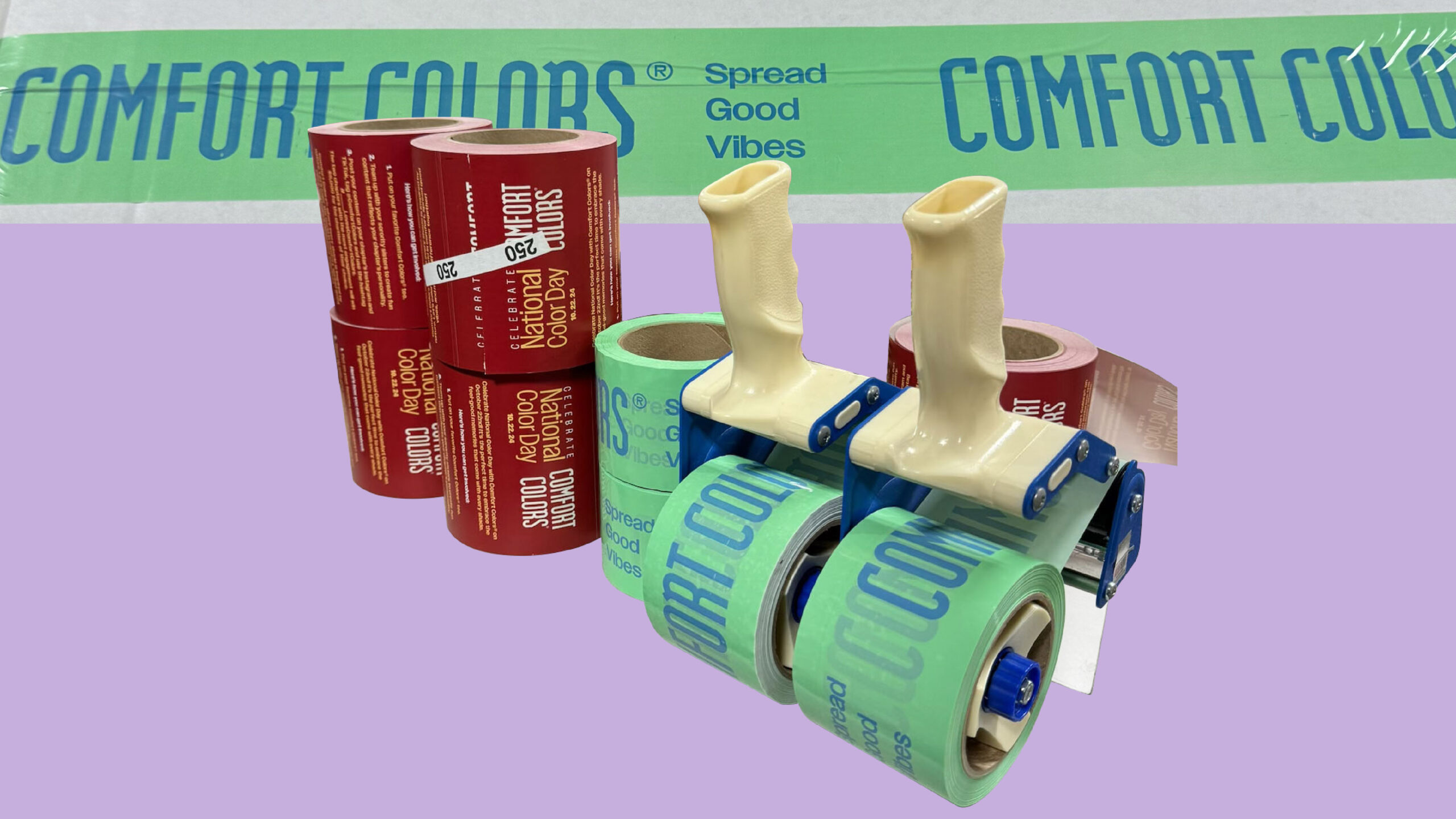
Principle 4: Create Urgency Without Pressure
Nobody likes being sold to. But everyone responds to genuine scarcity and compelling reasons to act now.
The Comfort Colors activation created urgency through exclusivity—products and experiences only available at the activation, only during the event window. This wasn't artificial scarcity. It was real: if you weren't there, you missed it.
The result? Students who might have said "I'll check out the website later" (and never would have) made purchases on the spot. Not because we pressured them, but because we gave them a reason.
The Results
The numbers speak for themselves:
- 2,563% ROI on activation investment
- Direct sales that exceeded the total activation cost within the first day
- Social amplification that extended reach far beyond the physical footprint
- Repeat engagement as students returned with friends
But the real result? Comfort Colors now approaches campus activations as revenue drivers, not just brand building exercises. That shift in mindset—from cost center to profit center—is worth more than any single activation.
What This Means for Your Brand
You don't need a college sponsorship to apply these principles. Whether you're activating at a trade show, a sports venue, or a music festival, the fundamentals are the same:
- Start with the business outcome you want to drive
- Design every element to move people toward that outcome
- Agree on measurement before you execute
- Staff with people who can actually deliver results
- Create genuine reasons to act now
Simple? Yes. Easy? No. That's why most activations settle for impressions instead of ROI.
Ready to Talk ROI?
We don't do vanity metrics. If you want an activation that drives measurable business results, let's talk.
Start the Conversation