
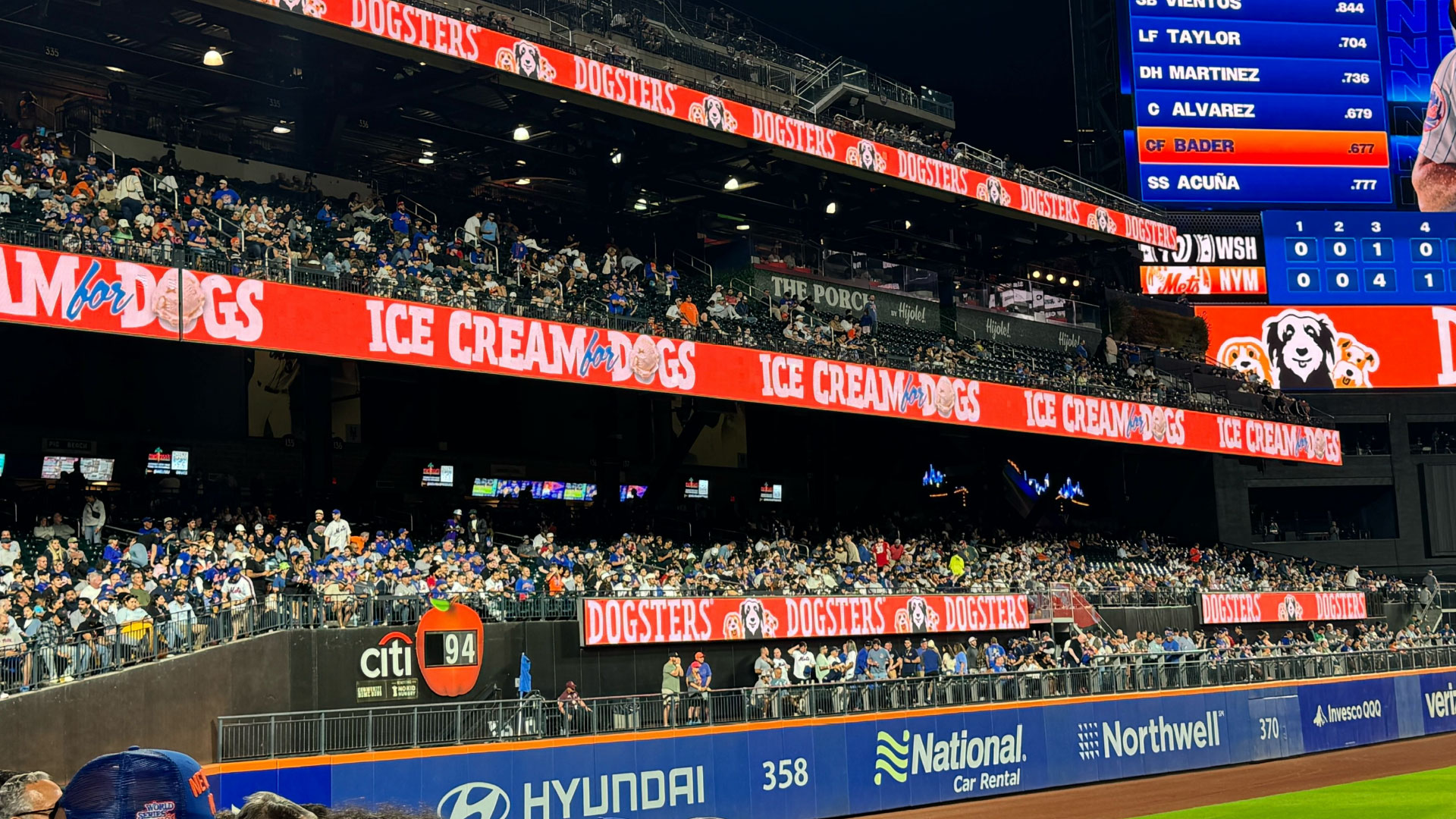
When Dogsters came to us, they had a product—frozen treats for dogs—but almost zero brand awareness. No Super Bowl commercial budget. No celebrity endorsement. Just a great product and a willingness to get creative. Here's how we built their brand through experiential marketing.
This playbook isn't just about Dogsters. It's about what any new brand can learn from launching through experiences rather than traditional advertising.
The Challenge: Building a Brand From Zero
New brands face a fundamental problem: nobody knows who you are, and nobody's looking for you. Traditional advertising can solve this, but it's expensive and often inefficient for new brands without established trust.
Dogsters had additional challenges:
- Category creation: "Frozen treats for dogs" wasn't an established category. They weren't just launching a brand—they were launching a concept.
- Trial dependency: The product was delicious (to dogs), but people needed to see their dogs love it to believe it.
- Retail relationships: They needed to prove demand before major retailers would commit shelf space.
Traditional advertising couldn't solve these problems. But experiential marketing could.
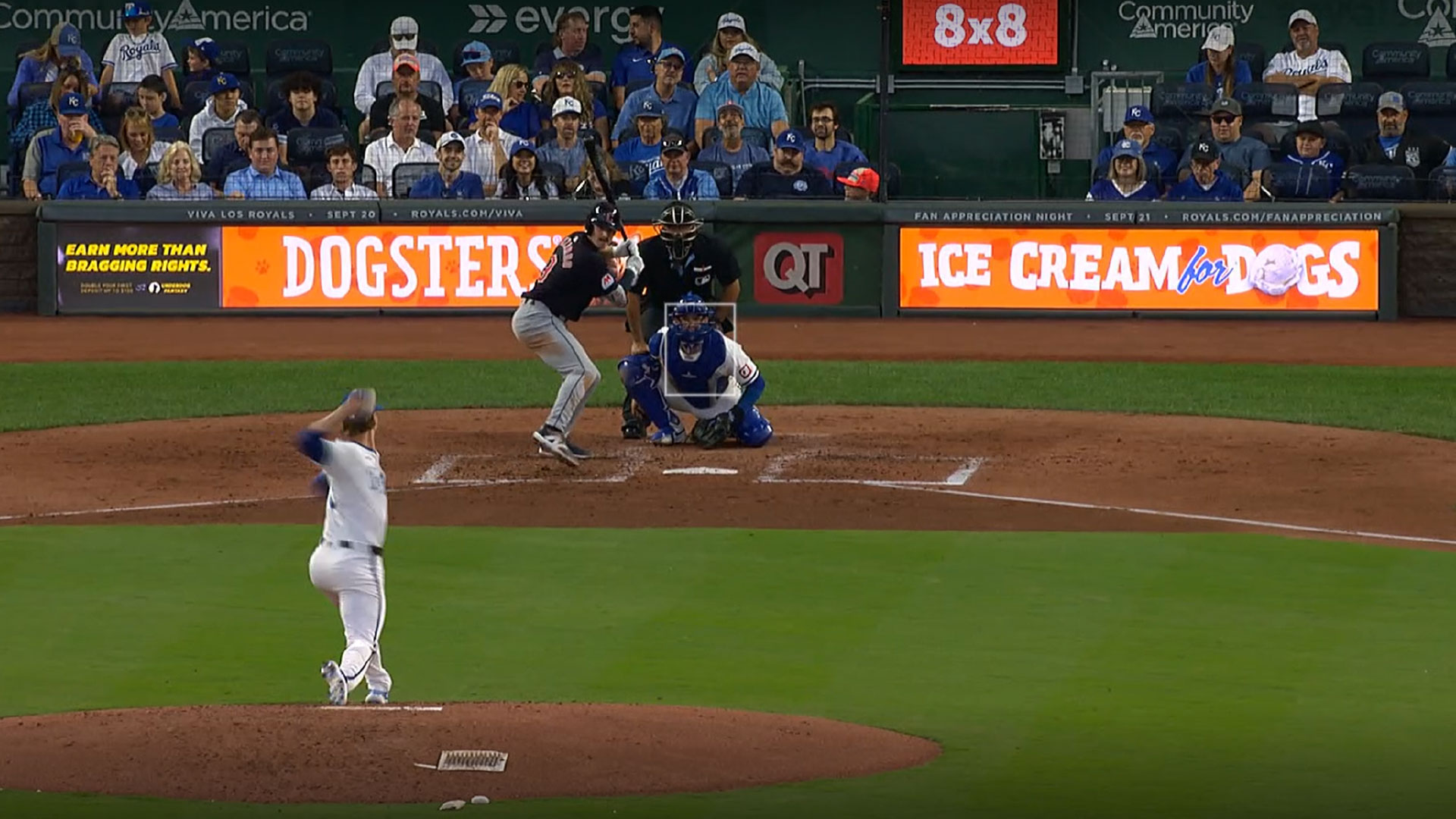
The Strategy: Go Where the Dogs Are
The insight was simple: dog owners congregate. Dog parks, pet-friendly events, baseball stadiums with "Bark in the Park" nights—these are natural gathering points for exactly the people Dogsters needed to reach.
Instead of paying to interrupt people with ads, we'd show up where they already were, doing things they already enjoyed, with their dogs.
Venue Selection Criteria
Not all dog-friendly venues are equal. We evaluated opportunities based on:
- Audience concentration: How many dog owners in one place?
- Dwell time: Would people stay long enough for meaningful engagement?
- Purchase proximity: Could we drive to nearby retail, or better, sell on-site?
- Media potential: Would the activation generate shareable content?
- Scalability: Could we replicate this in multiple markets?
MLB "Bark in the Park" games scored high on every criterion. Thousands of dog owners, multi-hour events, stadium retail partnerships possible, inherently photogenic, and available at ballparks nationwide.
The Activation: Dogsters Parlor
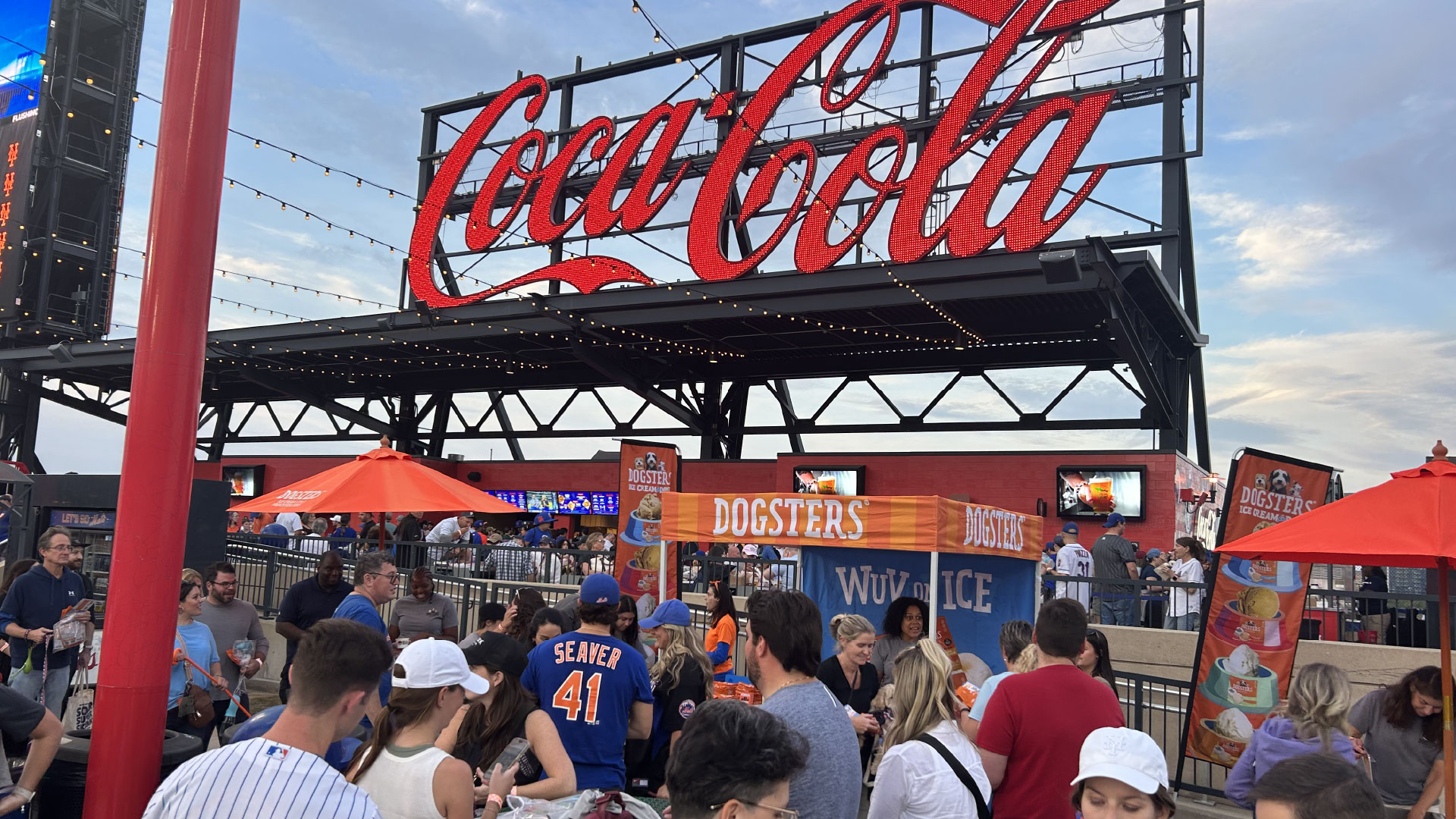
We didn't just set up a sampling table. We created the Dogsters Parlor—a branded destination that felt like a special experience for dogs and their owners.
The concept: an "ice cream parlor" for dogs, complete with:
- Branded serving stations with multiple Dogsters flavors
- Photo opportunities that owners couldn't resist
- Brand ambassadors who genuinely loved dogs (this matters more than you'd think)
- Take-home coupons for local retail partners
The key insight: we weren't just sampling product. We were creating an experience that owners wanted to share and dogs wanted to repeat.
Why Experiential Worked for Brand Launch
1. Immediate Product Trial
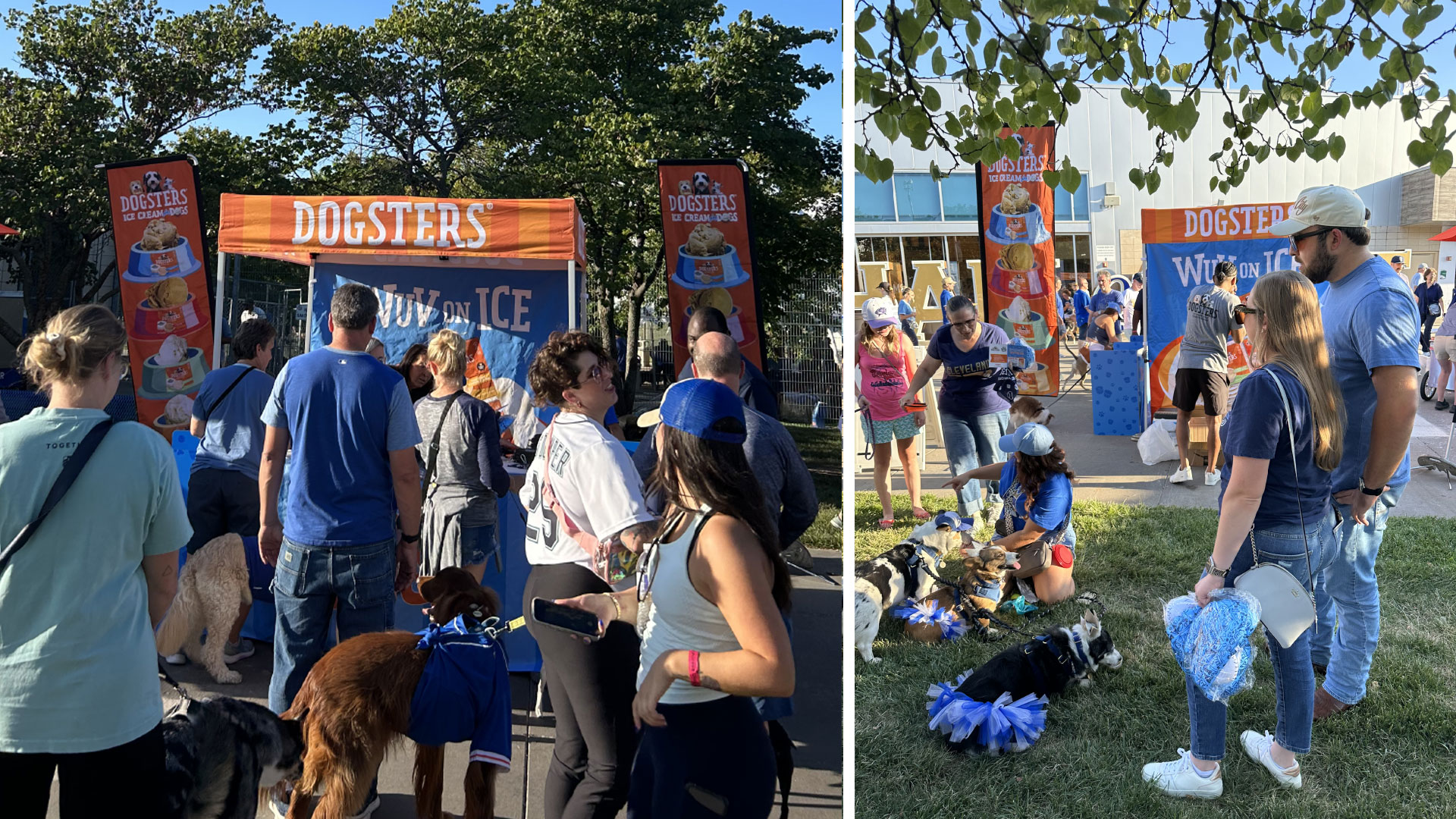
Dogs don't care about marketing. They care about taste. Every Dogsters Parlor visit was a live product demonstration—owners watching their dogs devour the treats with obvious enjoyment. That's more convincing than any advertisement.
2. Emotional Association Building
We weren't just creating awareness—we were creating memories. "Remember when we took Max to the Dogsters Parlor at the Braves game?" That's the kind of brand association money can't buy through traditional media.
3. Word of Mouth Generation
Dog owners talk to other dog owners. A lot. The shareable moments we created spread organically through social media and real-world conversations. Each activation sparked ripples of awareness that extended far beyond the venue.
4. Retail Proof Points
When Dogsters approached retailers, they didn't just have sales projections—they had photos of packed activations, social media engagement metrics, and coupon redemption data from specific zip codes. That's the kind of proof that gets shelf space.
Scaling the Playbook
One successful activation is a proof point. A scalable system is a growth engine. Here's how we took the Dogsters Parlor from one venue to a national presence:
Standardized Assets, Local Execution
We developed modular activation assets that could be deployed consistently across venues while adapting to local requirements. Same brand experience, whether at Citi Field or a regional pet expo.
Staff Training System
Great activations require great people. We built training materials and hired for personality, not just availability. Every brand ambassador needed to genuinely connect with dogs and their owners.
Measurement Framework
From day one, we tracked:
- Samples distributed
- Photos taken and shared
- Coupon redemption rates by venue
- Social media mentions and sentiment
- Retail sell-through in activation markets
This data informed venue selection, staffing levels, and activation design as we scaled.
Results: From Zero to Retail Presence
The numbers tell the story:
- Sampling volume: Tens of thousands of dogs served across the activation season
- Social reach: Millions of organic impressions from user-generated content
- Retail expansion: Major retailer partnerships secured with activation data as proof of demand
- Brand recognition: Measurable awareness lift in activation markets
More importantly: Dogsters went from "who?" to a recognized brand with loyal customers—built almost entirely through experiential marketing.
Lessons for Any Brand Launch
The Dogsters playbook offers principles that apply beyond pet products:
Go where your audience already gathers. Don't try to create gatherings—find existing ones and add value.
Create experiences, not just impressions. A memorable experience beats a thousand forgettable ad exposures.
Enable trial. If your product is good, getting it into hands (or paws) is the best marketing.
Design for sharing. Make it easy and natural for people to spread the word.
Build proof for partners. Whether it's retailers, investors, or collaborators—data from activations is compelling evidence.
Think in systems, not events. One activation is a test. A scalable system is a growth strategy.
Is Experiential Launch Right for Your Brand?
Experiential brand launch works best when:
- Your product benefits from trial or demonstration
- Your target audience congregates in identifiable places
- You need to build trust without massive ad budgets
- Word of mouth is important in your category
- You're creating a new category or disrupting expectations
It requires patience and consistency—brand building through experiences happens over time, not overnight. But for brands willing to invest in the approach, it can create foundation that traditional advertising simply can't match.
Launching a New Brand?
We've helped brands from Dogsters to Coca-Cola product launches build awareness through experiential marketing. Let's talk about your launch strategy.
Start the Conversation