
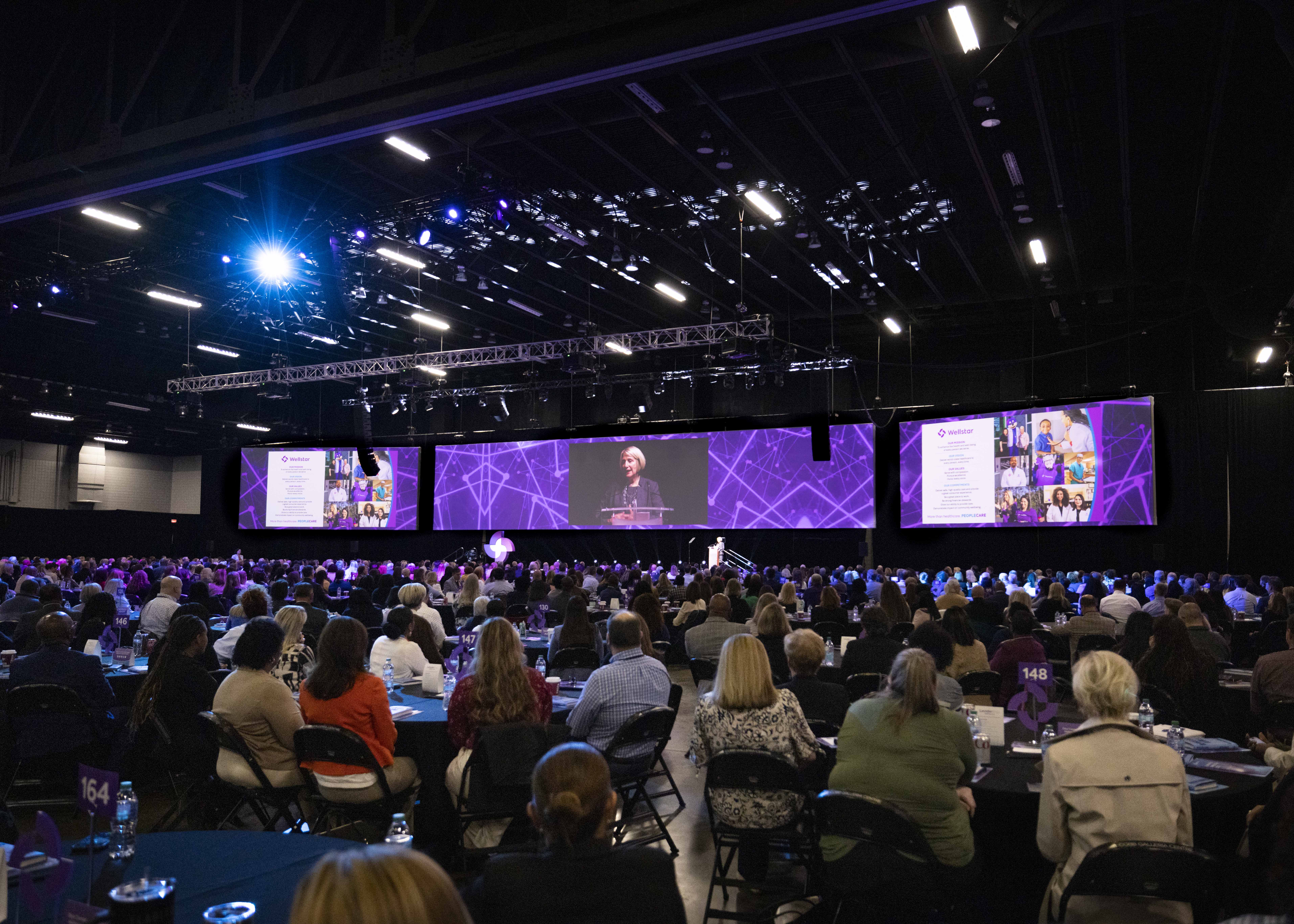
Most corporate events are forgettable. Employees attend because they have to, sit through presentations they've seen before, and leave with nothing but a free pen and a renewed appreciation for their actual job. That's not an event—it's an obligation with catering.
It doesn't have to be this way. Corporate events—leadership summits, sales kickoffs, company celebrations, training days—can be moments that actually matter. Moments that shift culture, build alignment, and create memories employees carry with them.
Here's what separates events people endure from events people remember.
The Problem With Most Corporate Events
Let's be honest about why most corporate events fail:
They're designed for leadership, not attendees. The agenda reflects what executives want to say, not what employees need to hear. The result is hour after hour of top-down communication with no relevance to the people in the seats.
They confuse information transfer with experience. If your primary goal is to share information, you don't need an event. You need an email. Events should create experiences that information alone can't deliver.
They're disconnected from real work. Too many events feel like interruptions rather than investments. When people return to their desks, nothing has changed. The event existed in its own bubble.
They prioritize safety over impact. Playing it safe produces forgettable events. Real impact requires taking creative risks—and most planning committees are optimized to avoid risk.
What Corporate Events Should Actually Do
Before planning any corporate event, you should be able to clearly articulate what it will accomplish that couldn't be accomplished another way. If you can't answer that question, you don't need an event.
Events excel at things that other communication channels can't deliver:
Creating Shared Emotional Experiences
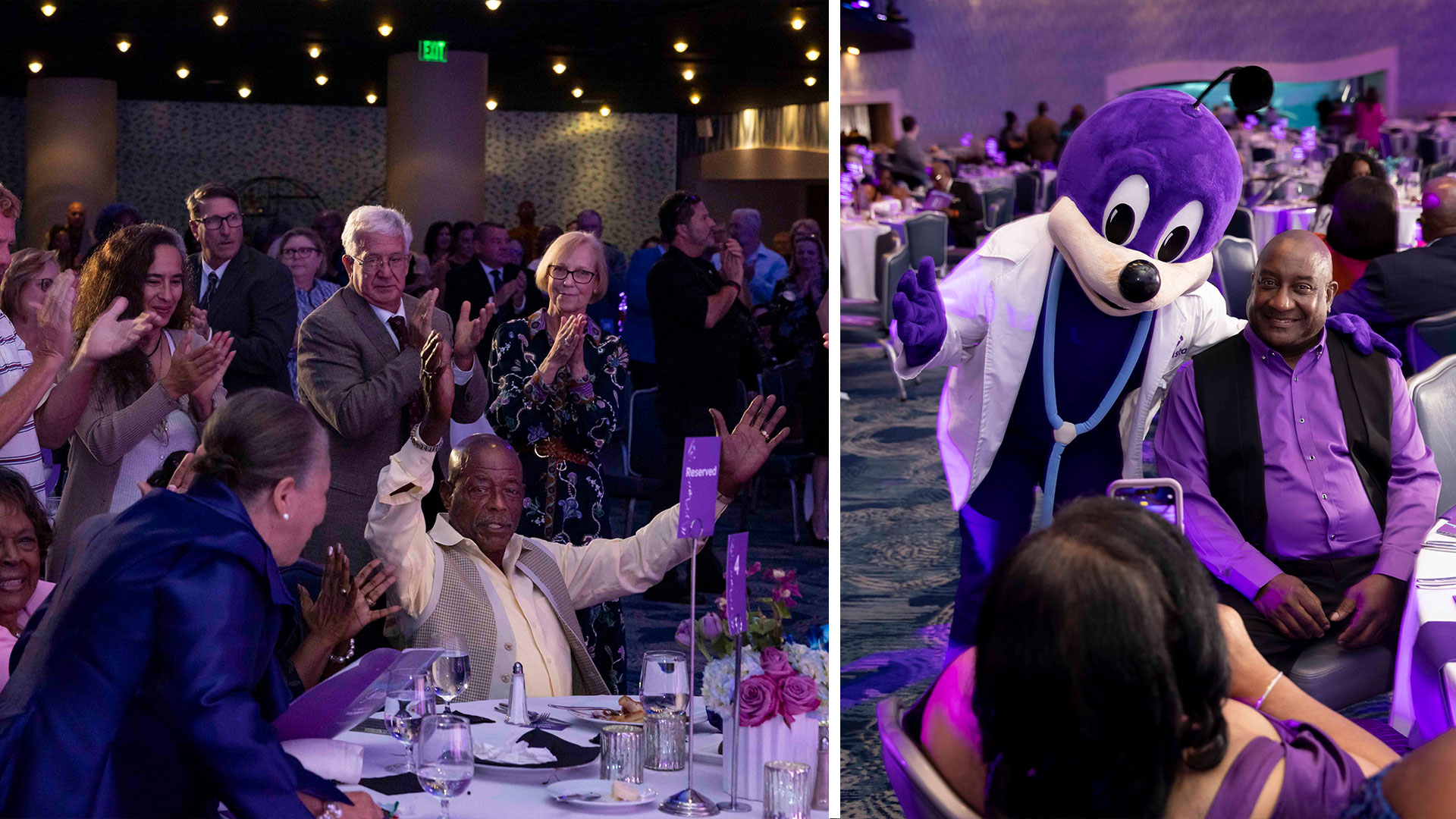
When 500 people laugh together, celebrate together, or feel inspired together—that creates bonds that no email can replicate. The emotional experience of being physically present with colleagues during a meaningful moment has compounding effects on culture and connection.
Building Relationships Across Silos
Organizations naturally silo. Events provide rare opportunities for people from different teams, locations, and levels to interact in unstructured ways. The conversations that happen in hallways and over meals often matter more than the formal agenda.
Launching New Chapters
Major strategic shifts, cultural changes, or organizational milestones benefit from ceremonial marking. Events create psychological punctuation—a clear "before and after" that helps people process change.
Recognizing and Celebrating
Recognition delivered through an event has different weight than recognition delivered through routine channels. Public celebration, done well, reinforces values and motivates behavior in ways that private acknowledgment cannot.
Principles for Events That Matter
1. Start With "What Changes?"
The planning question shouldn't be "What do we want to say?" It should be "What do we want to be different after this event?" Start with the outcome, then work backward to the experience that will produce it.
For Wellstar's leadership day, the goal wasn't just to "bring leaders together." It was to create alignment around a specific strategic direction and build relationships that would facilitate collaboration afterward. Every element of the event was evaluated against those specific outcomes.
2. Make Attendees Active, Not Passive
The more people sit and watch, the less they engage. The most memorable corporate events give attendees agency—opportunities to participate, contribute, and shape their own experience.
This doesn't mean every moment needs to be interactive. It means designing intentional opportunities for active participation throughout the experience.
3. Surprise Without Gimmick
Predictable events are forgettable events. But surprise for its own sake feels hollow. The sweet spot is unexpected elements that genuinely enhance the experience and reinforce the event's purpose.
A surprise guest who relates to the event's themes? Memorable. A surprise guest who has no connection to anything? Gimmick. The difference matters.
4. Respect People's Time
Every attendee is giving you something valuable—their time and attention. Respect that gift. Cut anything that doesn't earn its place in the agenda. Shorter, more impactful beats longer and bloated every time.
If a session could be an email, make it an email. Save event time for things only events can do.
5. Design for Connection, Not Just Content
Build structured and unstructured time for connection into the agenda. Networking breaks aren't filler—they're features. Group activities aren't team-building clichés—they're relationship infrastructure.
The most valuable outcomes of corporate events often happen in the spaces between sessions.
Production Choices That Signal Values
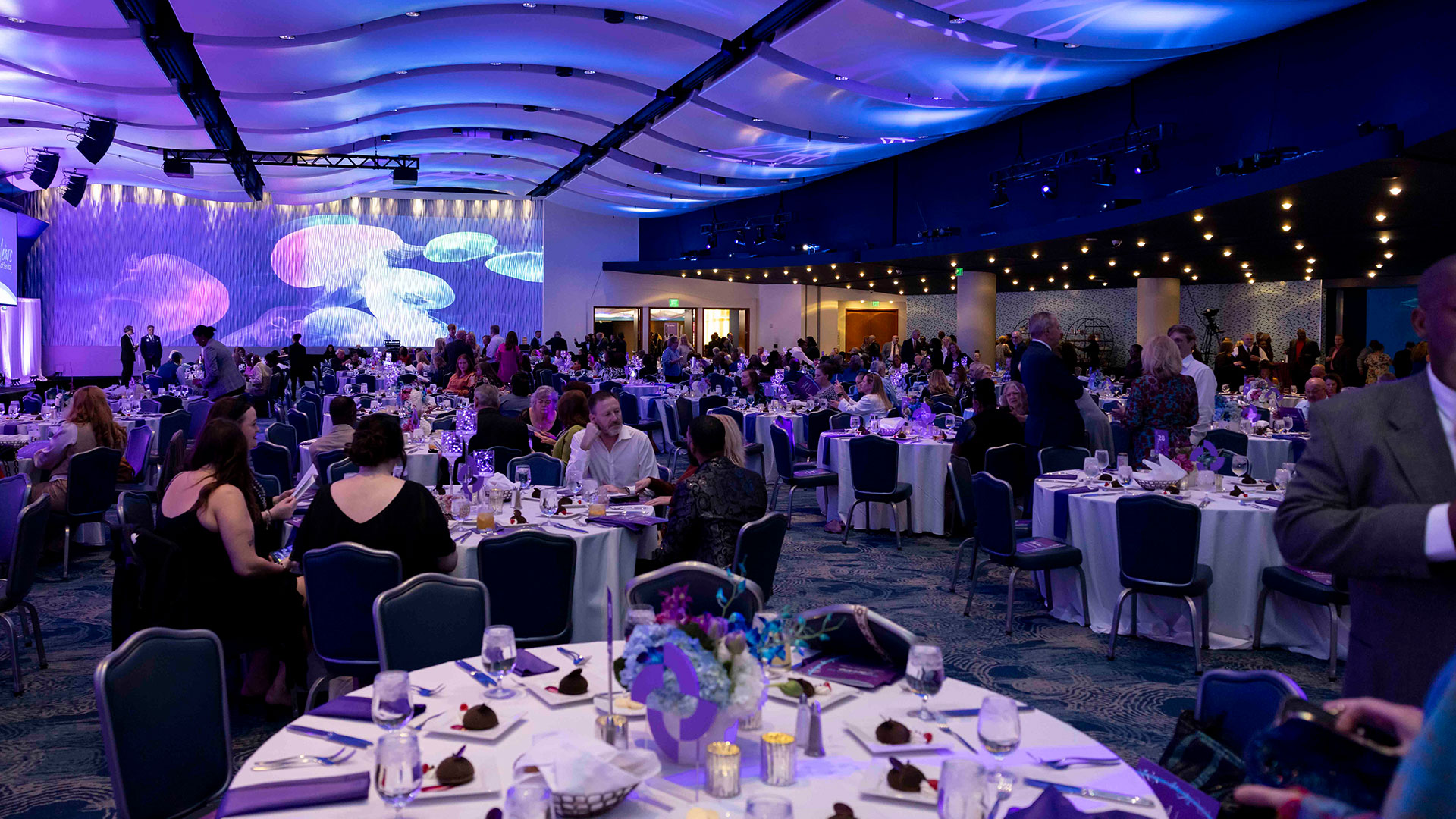
Every production choice communicates something. The venue, the catering, the AV quality, the swag—all of it sends messages about how the organization values this moment and the people in the room.
High production value signals: "This matters. You matter. We invested in making this excellent."
Low production value signals: "This is obligatory. We're checking a box. Don't expect much."
This doesn't mean every event needs to be expensive. It means every event needs to be intentional. A simple event executed excellently communicates more care than an ambitious event executed sloppily.
The Day-After Question
Here's the test that matters: what will people remember tomorrow? What will they tell colleagues who weren't there? What will change about how they think or behave?
If you can't imagine people having answers to these questions, your event isn't ready. Keep iterating until you can.
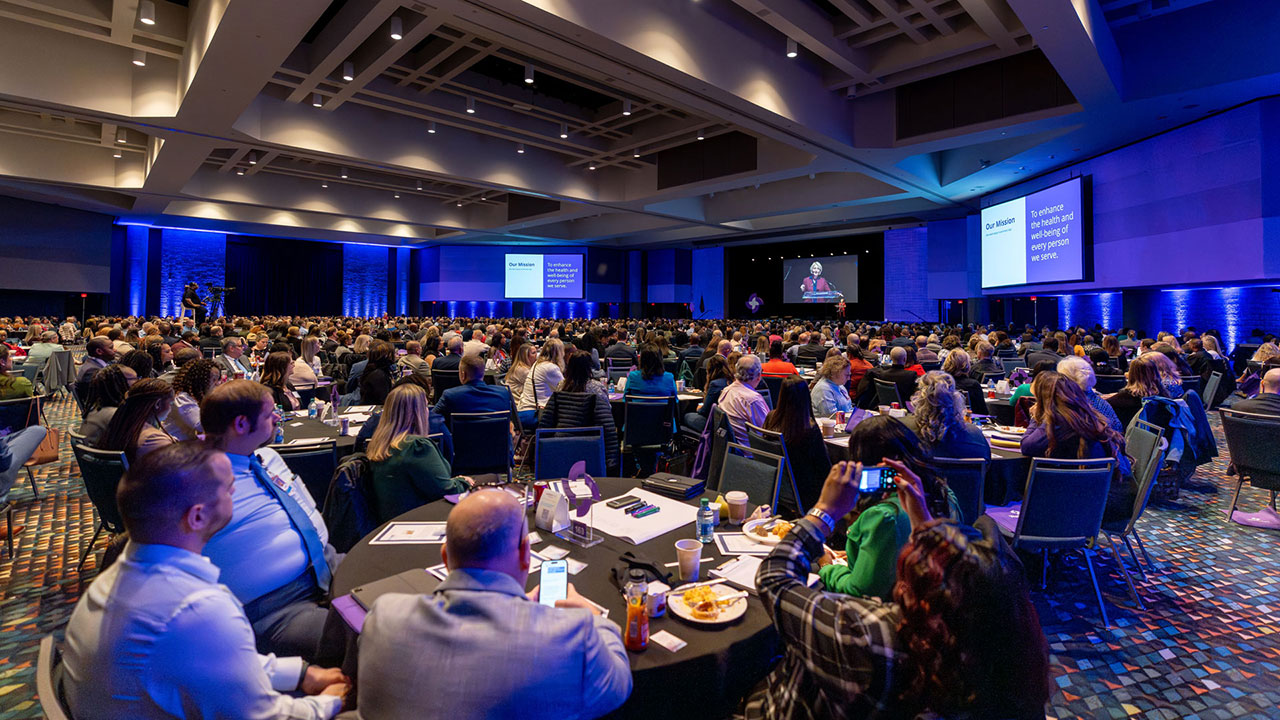
The best corporate events we've produced—for organizations like Wellstar—are ones where we could answer these questions clearly before the event happened. The answers shaped every decision we made in planning and execution.
Common Objections (And Responses)
"We don't have the budget for impressive events."
Impact doesn't require massive budgets. Some of the most memorable events are simple gatherings executed with thoughtfulness. Focus on what matters—clarity of purpose, respect for attendees, and intentional design.
"Our executives want to present for hours."
Executive presentations have their place. But that place isn't the entire event. Push back on agenda bloat. Advocate for attendee experience. Most executives, when confronted with data about engagement and outcomes, will trade stage time for impact.
"We've always done it this way."
Past success doesn't guarantee future relevance. Audiences evolve. Expectations change. What worked five years ago might feel stale today. Regularly question traditions and be willing to change what isn't working.
"It's just an internal event—it doesn't need to be fancy."
Internal audiences deserve the same quality of experience as external ones. Treating internal events as second-class signals that internal stakeholders are second-class. That's a cultural message you don't want to send.
Making It Happen
Corporate events that matter require intentionality from the start. They require asking hard questions about purpose, making tough choices about what to include and exclude, and committing to an experience that respects attendees' time and attention.
It's more work than the default approach. But the default approach produces forgettable events—and forgettable events are a waste of everyone's time and budget.
Your people deserve better. So does your organization.
Planning a Corporate Event?
We produce internal events for organizations that take their culture seriously. If you want your next leadership summit, sales kickoff, or company celebration to actually matter, let's talk.
Start the Conversation