
Fans don't remember "the activation." They remember how they felt. They remember the moment their kid's face lit up. They remember the unexpected interaction that made them laugh. They remember feeling like they belonged to something bigger than themselves.
That's what fan experience production is really about—not building impressive structures or executing flawless logistics, but engineering emotional moments at scale. Here's what we've learned about how to do it.
The Fundamental Shift: From Impressions to Emotions
Traditional sponsorship thinking focuses on impressions. How many people saw our logo? How many walked past our footprint? How many touched our product?
Fan experience thinking focuses on emotions. How did people feel when they engaged with us? What will they remember tomorrow? Would they seek us out again?
This isn't just philosophical difference—it's a fundamentally different approach to design, staffing, and measurement. And it produces fundamentally different results.
A fan who walks past your activation and sees your logo has an impression. A fan who has a meaningful moment at your activation has a memory. Memories drive behavior. Impressions don't.
Understanding the Fan Journey
Every fan experience happens within a larger context—the journey of attending an event. Understanding that journey is essential to designing experiences that work within it.
Pre-Event: Anticipation and Planning
Fans don't just show up. They plan, discuss, and anticipate. The experience starts before they arrive. What are they looking forward to? What are they worried about? What will make them choose to engage with your activation instead of the dozen other things competing for their attention?
Arrival: Orientation and Exploration
When fans first arrive, they're orienting themselves. Where are the bathrooms? Where are my seats? Where can I get food? Your activation exists in competition with these basic needs. You're not competing with other sponsors—you're competing with everything else the fan is thinking about.
Event: Emotional Peaks and Valleys
During the event, fans experience emotional peaks (their team scores) and valleys (delays, bad calls, losing). These emotional states dramatically affect how they engage with activations. Timing matters.
Post-Event: Memory Formation
After the event, memories consolidate. Fans will remember the emotional peaks, the ending, and moments that felt personally significant. Everything else fades. Your goal is to be part of what they remember.
Design Principles for Memorable Experiences
1. Create Peaks, Not Plateaus
Memorable experiences have emotional high points. A consistently good experience is less memorable than one with a distinct peak moment. Design for peaks.
What's the single most memorable moment of your activation? If you can't identify it clearly, your experience is a plateau. Add a peak.
2. Enable Sharing
The best fan experiences create natural sharing moments—things fans want to photograph, video, and tell stories about. Design for the share.
This isn't about forcing branded photo opportunities (though those can work). It's about creating moments that are genuinely worth capturing. The share should be a natural response, not a prompted obligation.

3. Engage Multiple Senses
Multi-sensory experiences are more memorable than single-sense ones. How does your activation look, sound, smell, feel, and taste? The more senses you engage, the stronger the memory you create.
This is why sampling activations work so well—taste creates powerful memory associations. But don't neglect other senses. The right music, the right textures, even the right ambient scent can transform an experience.
4. Personalize Where Possible
Mass experiences can feel impersonal. Find ways to make each fan feel individually recognized. Use their name. Acknowledge their team affiliation. Note something unique about their group. Small personal touches have outsized impact.
5. End Strong
How experiences end disproportionately affects memory. A strong ending reframes the entire experience in fans' memories. A weak ending undermines everything that came before.
What's the last touchpoint fans have with your activation? Make it intentional. Make it positive. Make it memorable.
The Role of Human Connection
Technology can enhance fan experiences, but human connection creates them. The interactions fans have with your staff are often more memorable than the physical activation itself.
Staff as Experience Creators
Your brand ambassadors aren't just representatives—they're experience creators. Their energy, authenticity, and ability to connect with fans determines whether your activation is memorable or forgettable.
Invest in hiring the right people. Train them to create moments, not just deliver messages. Give them autonomy to respond to individual fans in genuine ways.
Reading the Room
Great staff can read fan energy and adjust accordingly. After a big win, fans are expansive and celebratory—lean into that energy. After a tough loss, fans need space and sensitivity. One-size-fits-all engagement misses these nuances.
Case Study: Game Day Fan Zone
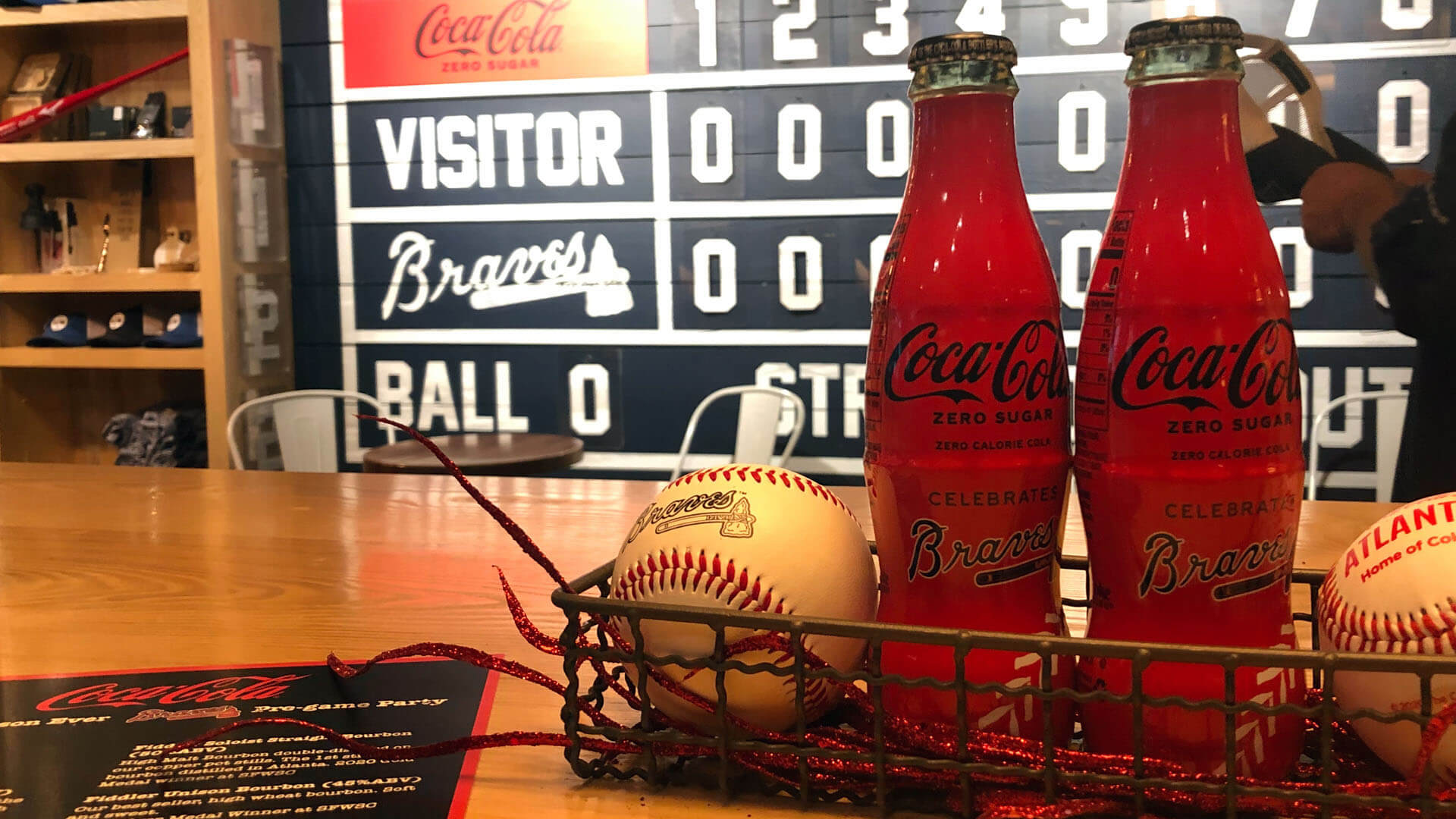
When Coca-Cola partnered with the Atlanta Braves, the goal wasn't just visibility—it was creating moments that enhanced the game day experience. The activation had to compete with one of the best stadium experiences in baseball.
The approach focused on three principles:
Add value, don't extract attention. Every element of the activation gave fans something—refreshment, entertainment, photo opportunities, exclusive experiences. Nothing demanded attention without giving something in return.
Integrate with the game experience. The activation didn't compete with the game—it enhanced it. Elements were timed around game flow. Staff encouraged fans to get back to their seats for key moments.
Create shareable peaks. Specific moments were designed to be photo-worthy and story-worthy. These became the memories fans took home and the content they shared.
The result: an activation that fans sought out, not one they walked past. Return engagement across games. Social sharing that extended reach organically. And measurable impact on brand perception among Braves fans.
Measuring Experience Quality
Traditional metrics don't capture experience quality. Impressions, dwell time, and sample distribution tell you what happened, not how it felt.
Better metrics for fan experience:
- Net Promoter Score: Would fans recommend the experience to friends?
- Return engagement: Do fans come back for subsequent events?
- Organic sharing: Are fans voluntarily sharing their experience?
- Sentiment analysis: What emotions are fans expressing about the experience?
- Memory retention: What do fans remember days or weeks later?
These metrics are harder to collect than impression counts. They're also more meaningful. If you're serious about fan experience, you need to measure what matters.
The Economics of Experience
Better fan experiences cost more to produce—more staff training, more thoughtful design, higher quality materials. Is it worth it?
The answer depends on what you're optimizing for. If you're optimizing for cost per impression, cheap and broad wins. If you're optimizing for brand impact, memorable experiences win.
Consider the lifetime value calculation. A fan who has a forgettable impression might never think about your brand again. A fan who has a memorable experience becomes an advocate—recommending, repurchasing, and reinforcing their own positive associations over years.
That's not just philosophy. It's math. And for brands willing to make the investment, the math works.
Getting Started
If you're currently producing fan experiences, start by auditing your current approach:
- What's the most memorable moment in your activation?
- How do fans feel when they engage with you?
- What would make fans seek you out rather than stumble upon you?
- How are your staff creating (or failing to create) meaningful connections?
- What's the last touchpoint fans have with your experience?
The answers will tell you where to focus improvement efforts. Often, the biggest gains come not from redesigning the entire experience, but from adding intentional peaks and fixing weak endings.
Fan experience production is both art and science—creative vision combined with rigorous attention to how humans actually experience and remember events. Get both right, and you create the moments that matter.
Ready to Elevate Your Fan Experience?
We've produced fan experiences for MLB stadiums, college campuses, and venues nationwide. Let's talk about what's possible for your brand.
Start the Conversation